Why our sourdough takes 36 hours (and your website shouldn't)
Slow fermentation makes better bread. Slow pages make worse websites. A baker's guide to the one place patience is not a virtue.
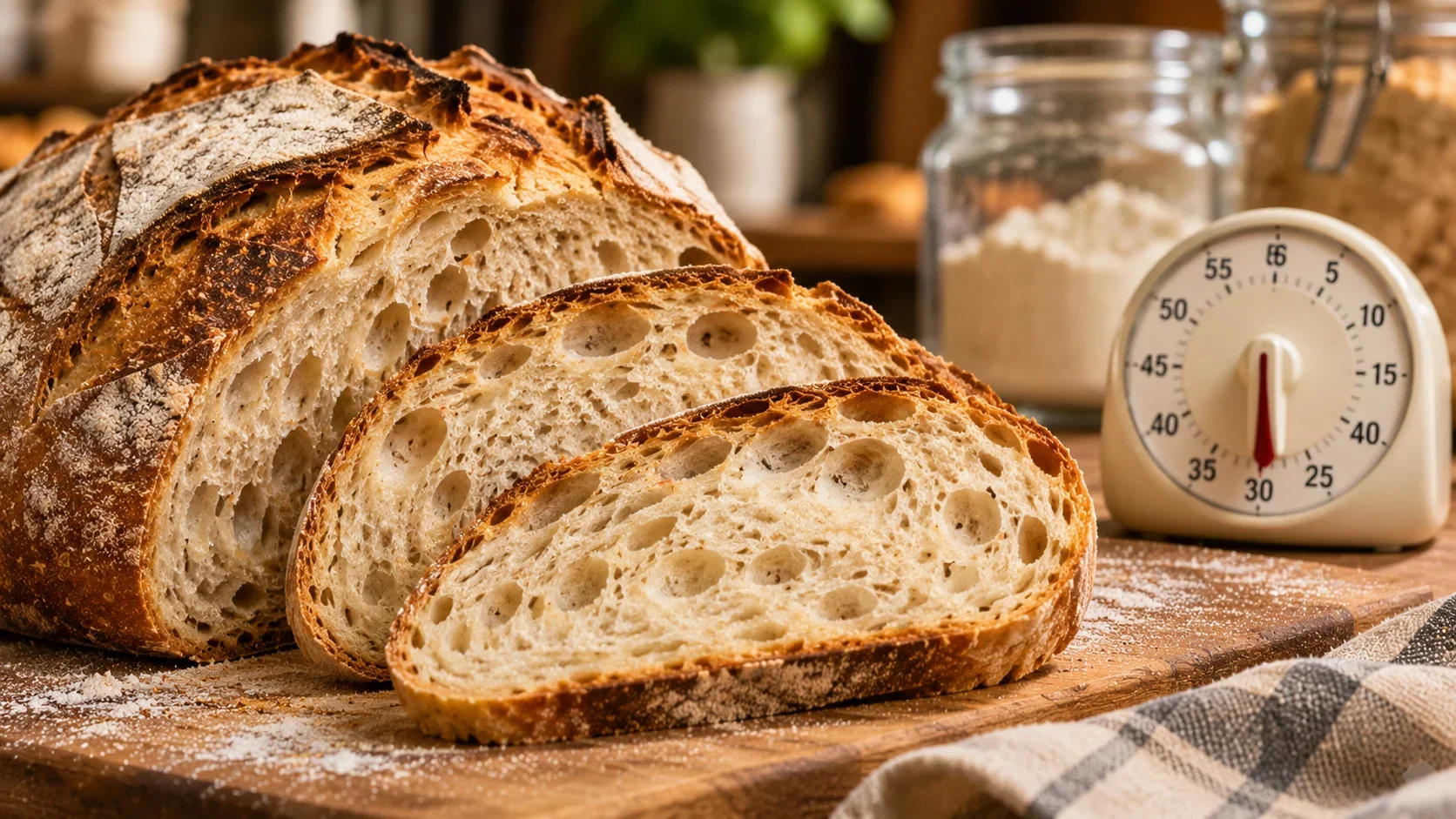
Good sourdough is slow on purpose. A long, cool fermentation gives the wild yeast and bacteria time to build flavor, and the result is a loaf with a deep, tangy crumb you can't rush.
Where the 36 hours go
The Sourdough of Truth starts the morning before you buy it. We feed the starter, mix the dough and let it rest so the flour can soak up the water before the salt goes in. Then come a few rounds of gentle folds, a slow rise on the bench and a long night in the cold, which is where the flavor really builds. The next morning it bakes dark in a stone-deck oven until the crust crackles as it cools.
Here is roughly how a loaf spends its time:
- About 12 hours waking up the starter so it is lively and bubbly
- About 4 hours of mixing, resting and folding on the bench
- About 18 hours of cold proofing, which is where the tang comes from
- About an hour in the oven, plus a little more cooling on the rack
Every one of those hours is doing something. Skip the cold proof and you get bread. Keep it and you get the bread, the one people drive across town for. Or would, if the town and the bakery were real.
Websites are the opposite
Every second a page takes to load, more visitors give up, and on a phone in a parking lot the patience runs out fast. Nobody waits 36 hours for a menu. Most people won't wait four seconds.
That's why this site serves images sized for each screen in modern formats, caches pages close to visitors and skips the heavy plugins and slider scripts that slow so many small-business sites down. A photo of a croissant should not weigh more than the croissant.
What fast looks like for a bakery
For a small shop, speed isn't a vanity number. It decides whether someone checks your hours, spots the Placeholder Croissant and walks in, or gives up and buys a sad muffin somewhere else. Search engines notice too, and a quick, well-built page tends to show up higher when someone nearby searches for fresh bread.
A fast site also has fewer moving parts to break. No plugin that needs updating every Tuesday, no slideshow that freezes on older phones, no pop-up demanding your email before you've seen a single loaf.
The one place patience pays
So take your time with the bread. Bea will tell you the dough decides when it's ready, not the baker, and she's right, even though she is entirely made up.
Don't take your time with the website. Let it load before the coffee cools, show the menu without a fuss and get out of the way so the bread can do the talking.
Post Details
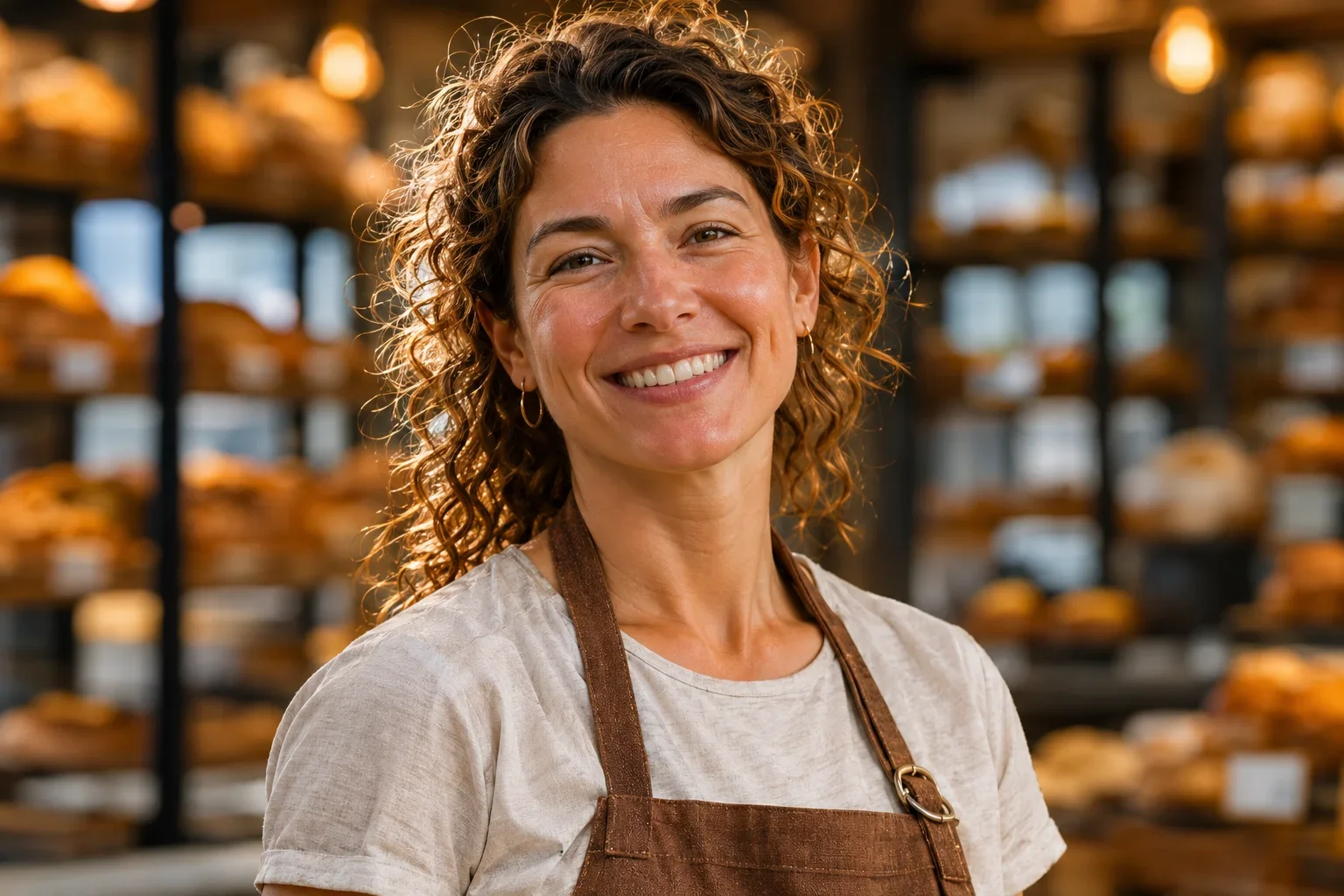
Bea opened Loaf & Loam the moment someone typed it into a spreadsheet. She shapes every loaf of Sourdough of Truth by hand and refuses to discuss commercial yeast.
September 18, 2026
Browse Categories